RNAS Yeovilton
A Space Beyond Function
Project Timeline: 1 week designing and sourcing, 2 day build
Interior Design Masters Challenge 4: View Episode
Completed
Some spaces are designed around efficiency. Others are designed around interaction.
For the Royal Navy mess deck challenge at RNAS Yeovilton, the brief was to transform a communal living space used by trainee sailors aged predominantly between 18 and 25. These were spaces where recruits cooked, ate, relaxed, and socialised while living away from home during training.
What immediately stood out was the contrast between the intensity of their daily routines and the atmosphere of the existing environment. The room functioned practically, but emotionally it still felt institutional; somewhere to pass through rather than somewhere to spend time.
So the focus of the design became less about decoration alone, and more about encouraging connection.
For many of the recruits, this would be their first extended experience living away from home. The mess deck therefore needed to support more than just practical requirements. It needed to offer moments of familiarity, comfort, and community.
So the challenge became:
How do you create a communal environment that encourages people to leave their rooms and spend time together?
Rather than centering the design around a singular dining arrangement, the proposal introduces multiple modes of gathering throughout the room - allowing cooking, eating and conversation.
“Ajeet has delivered a solid design...feels very fit for purpose, user friendly.”
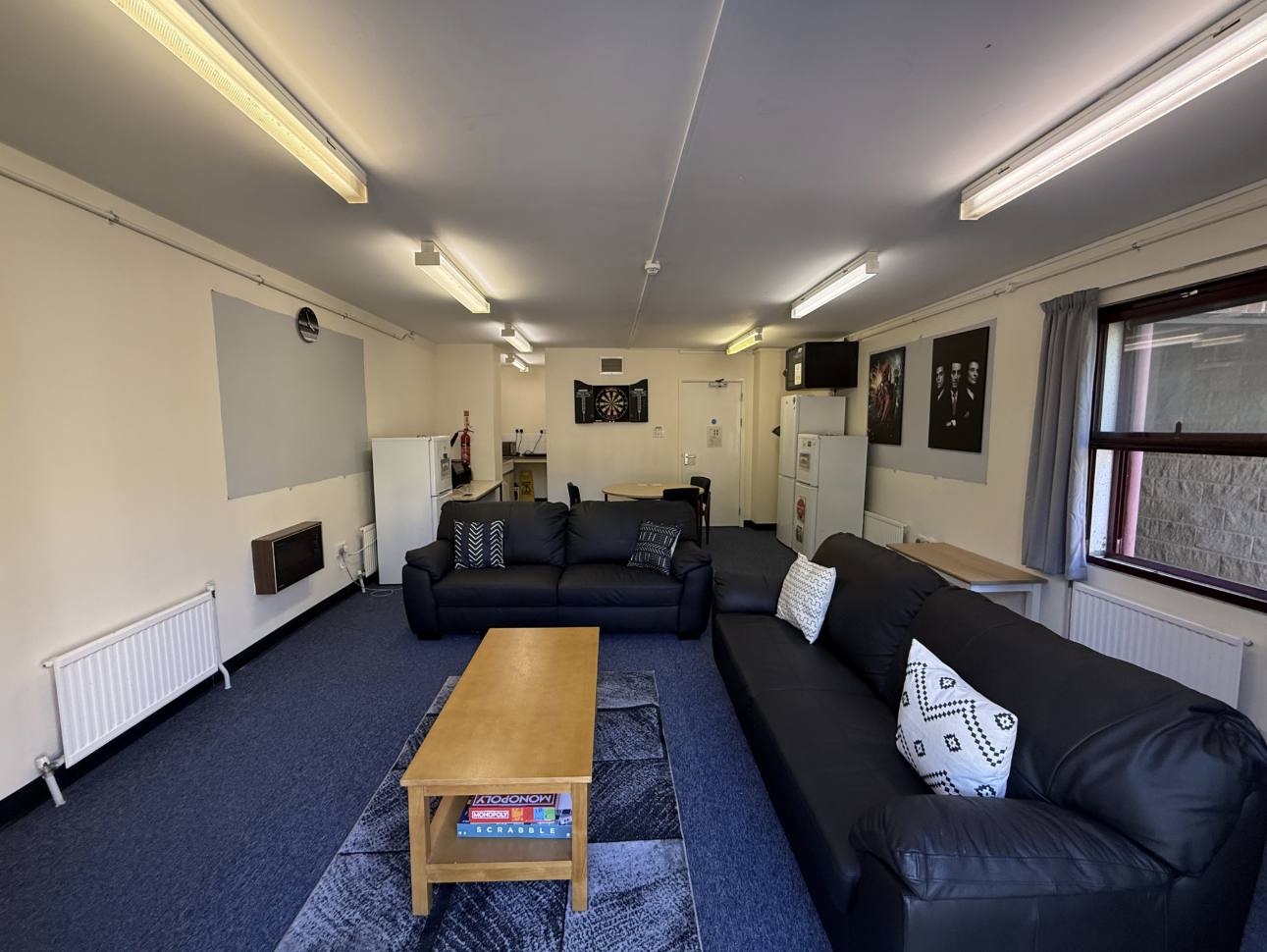
The Misterton mess deck before renovations
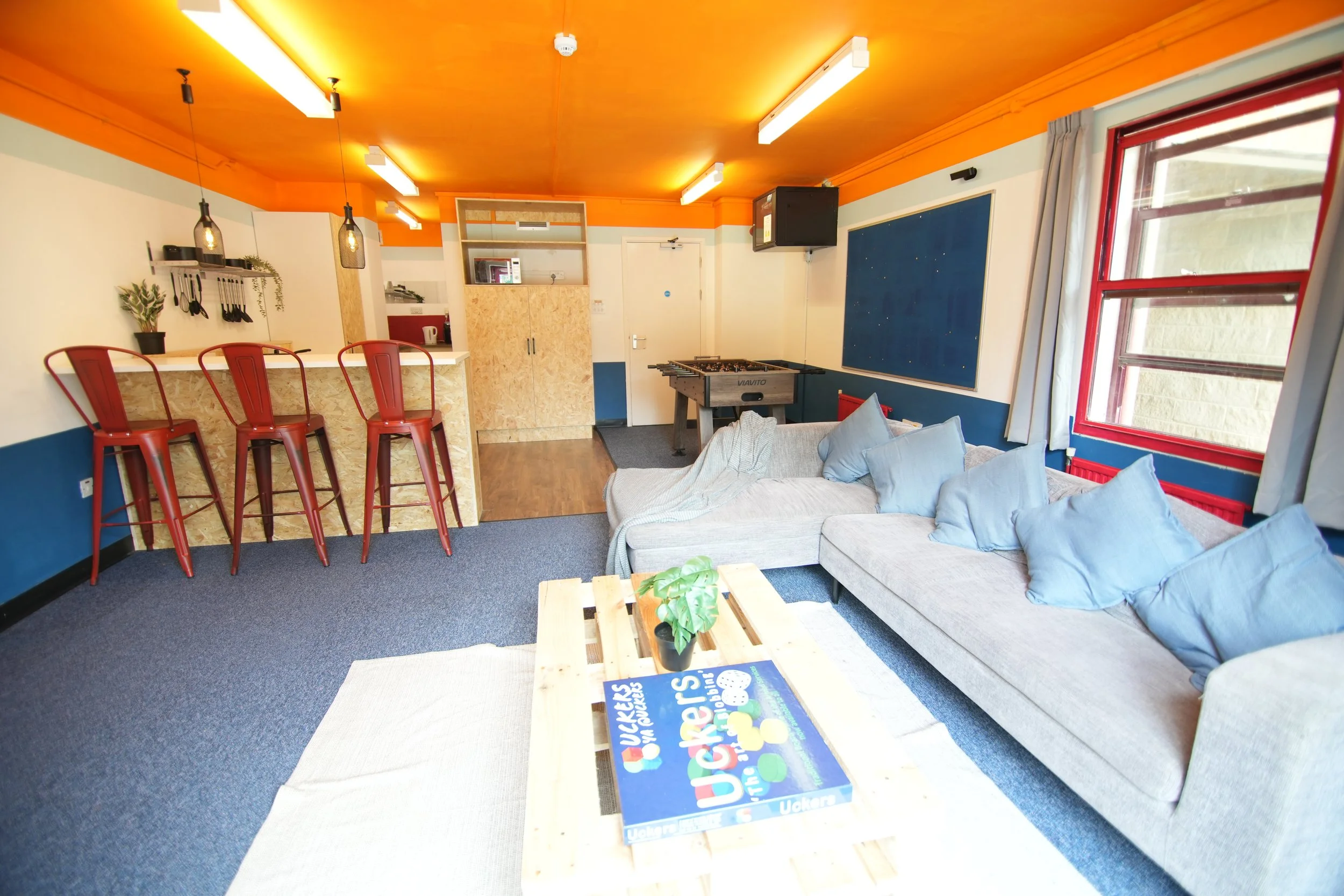
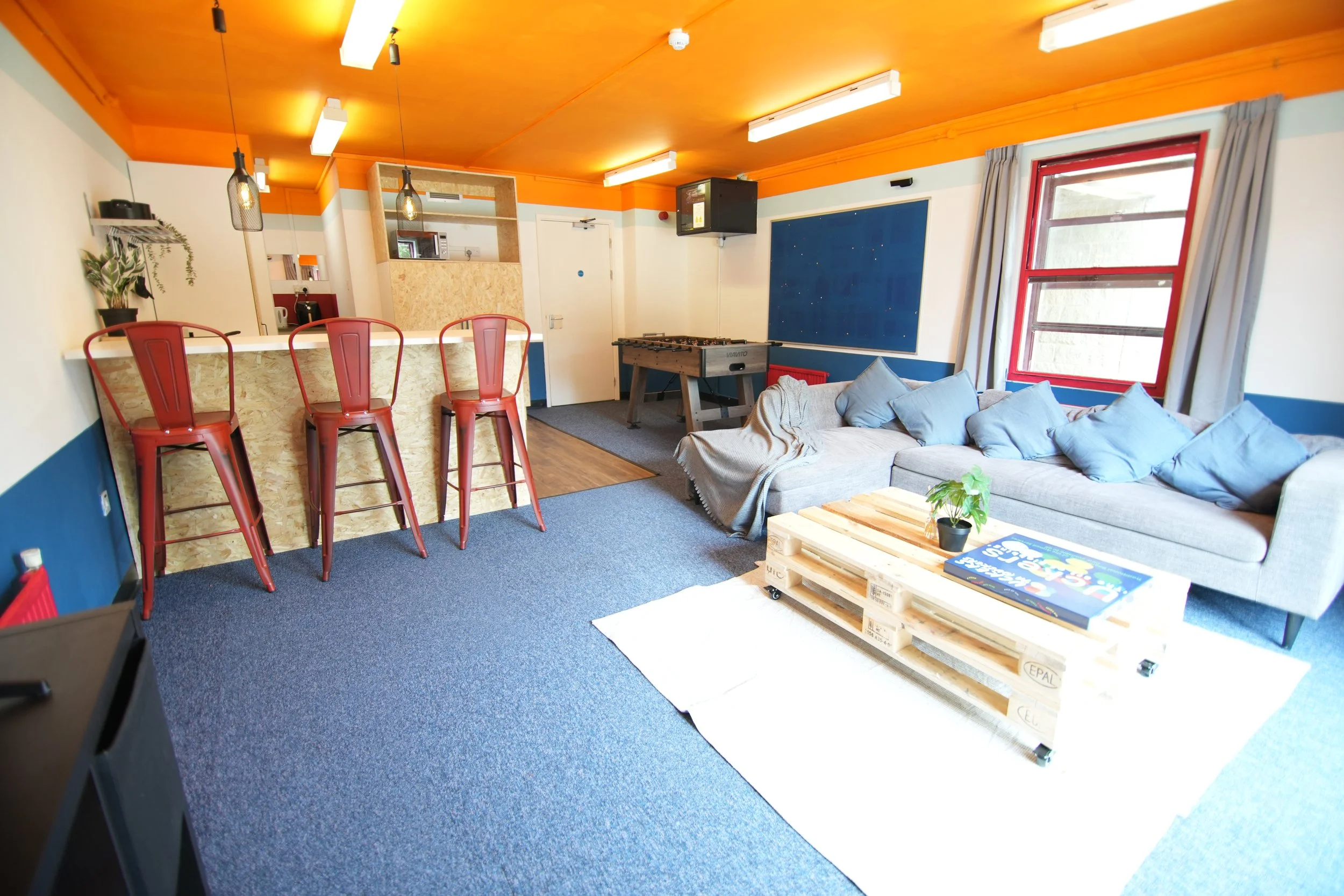
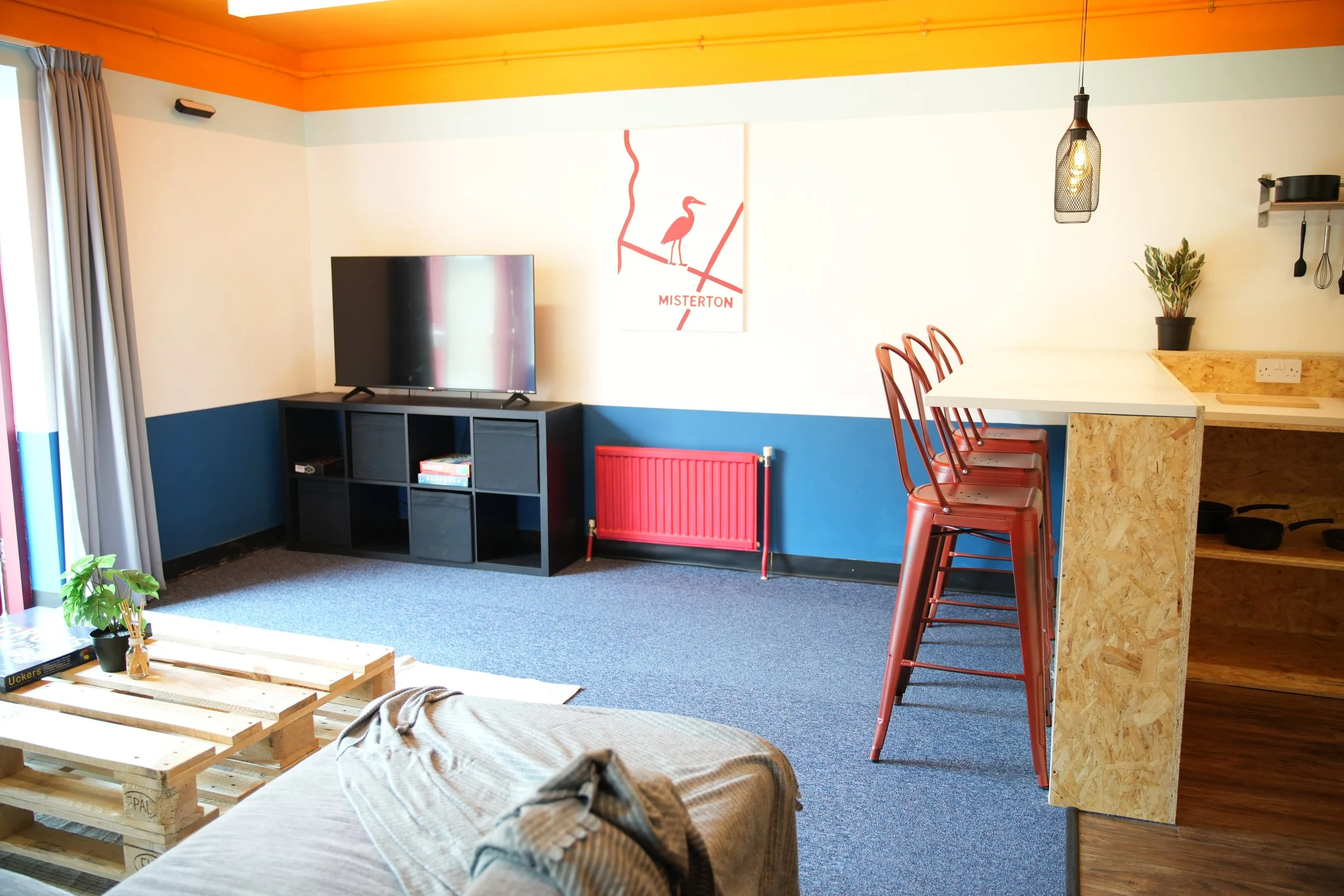
The Misterton mess deck after renovations
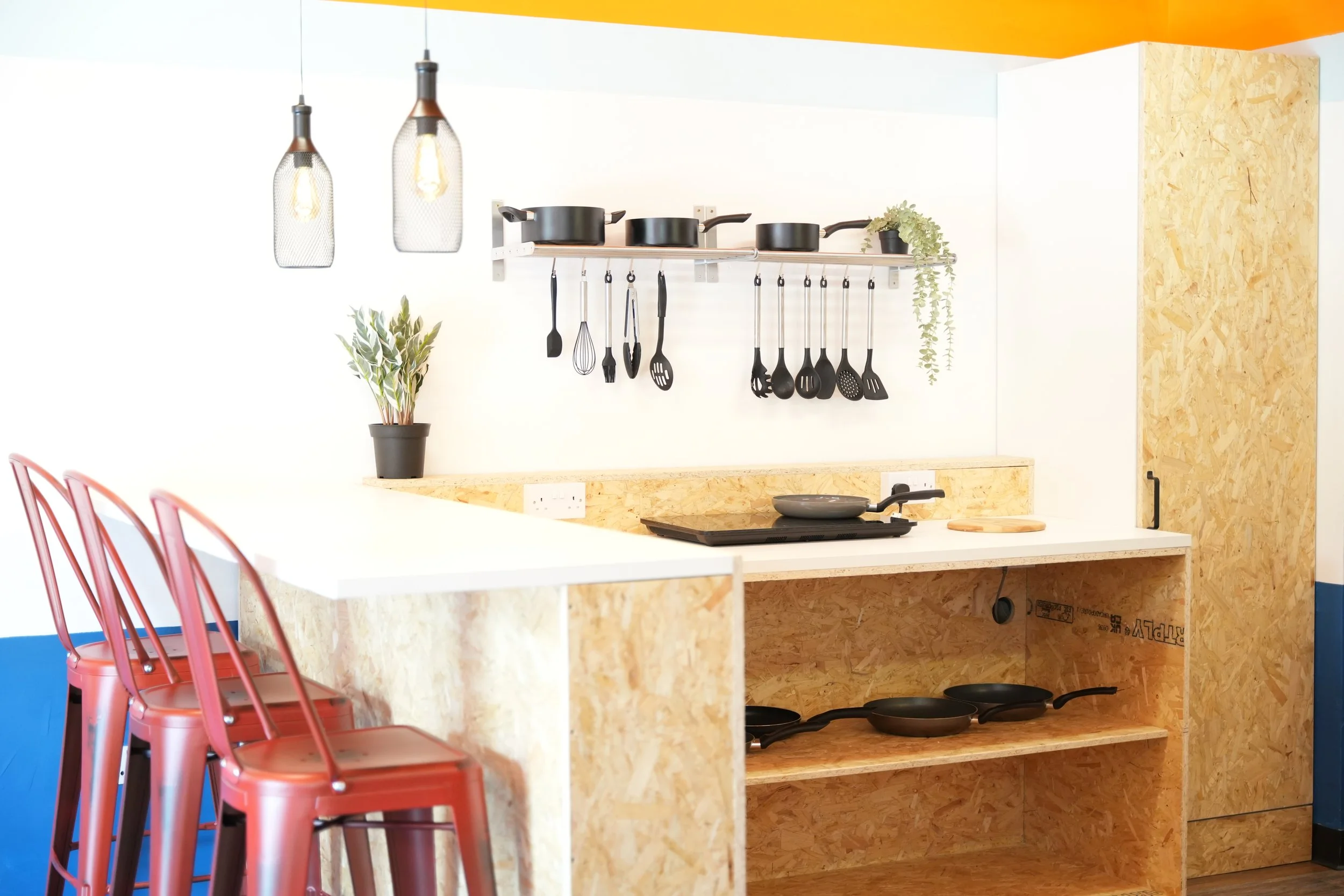
One of the key spatial moves was extending the kitchen experience into the main living area. The original kitchenette felt disconnected from the social part of the room and offered very limited preparation space.
The redesign therefore introduced:
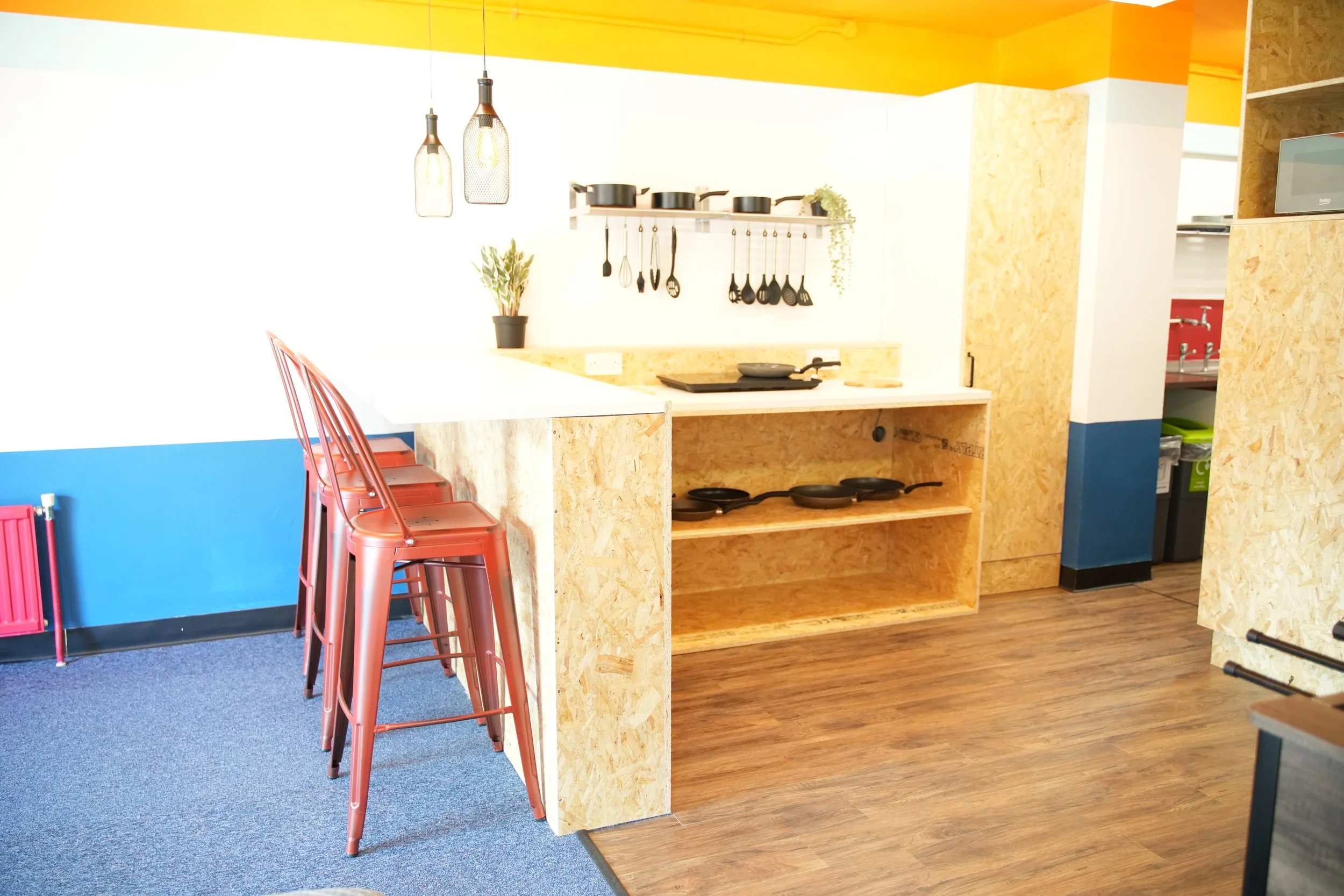
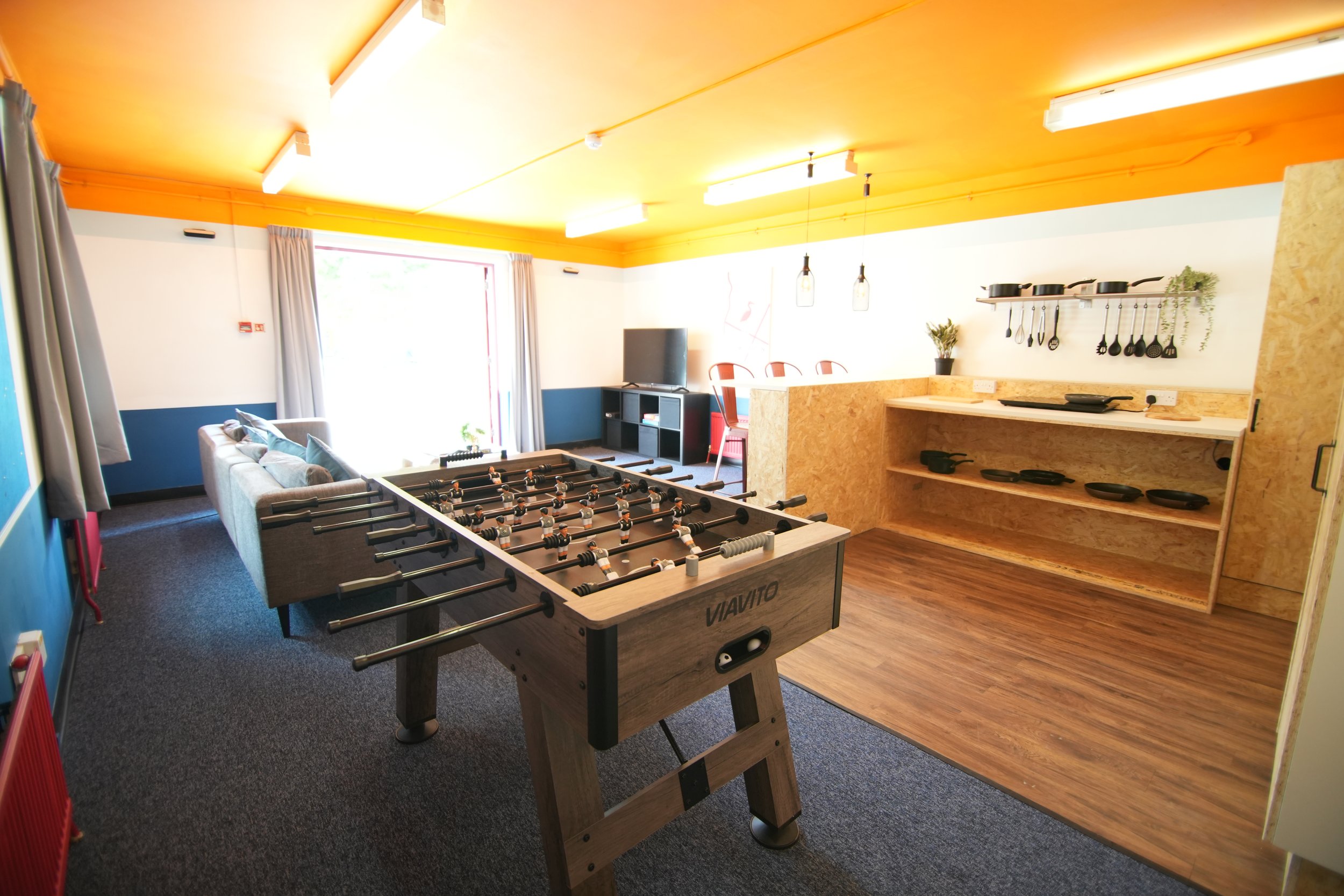
A new kitchen prep station with integrated power points
Additional shelving and storage for cookware
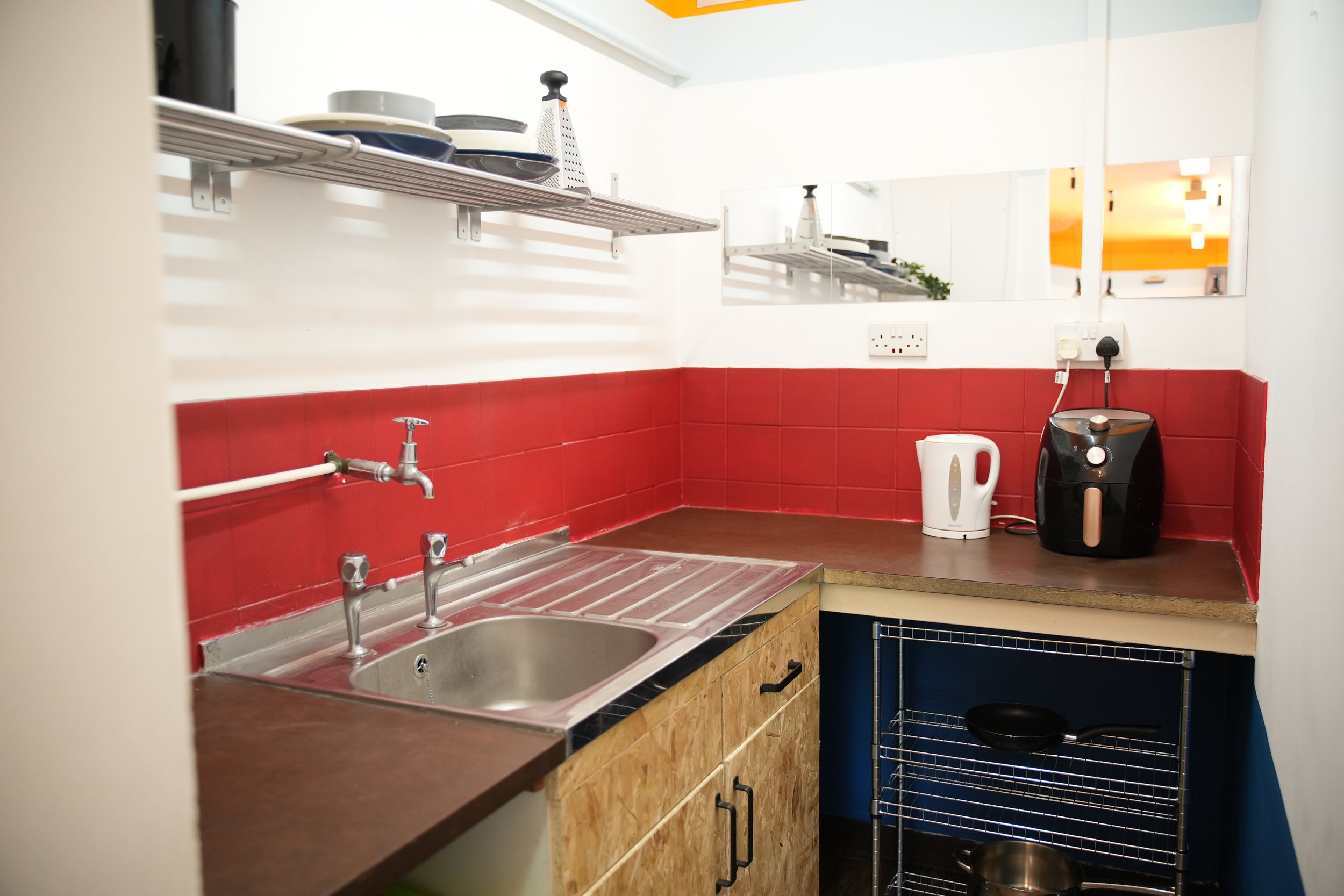
Integrated fridge housing
A bar-style eating area with high stools
Flexible lounge seating for more informal interaction
This transformed food preparation from an isolated activity into something more communal and visible - encouraging interaction around cooking rather than separating it from the rest of the space.
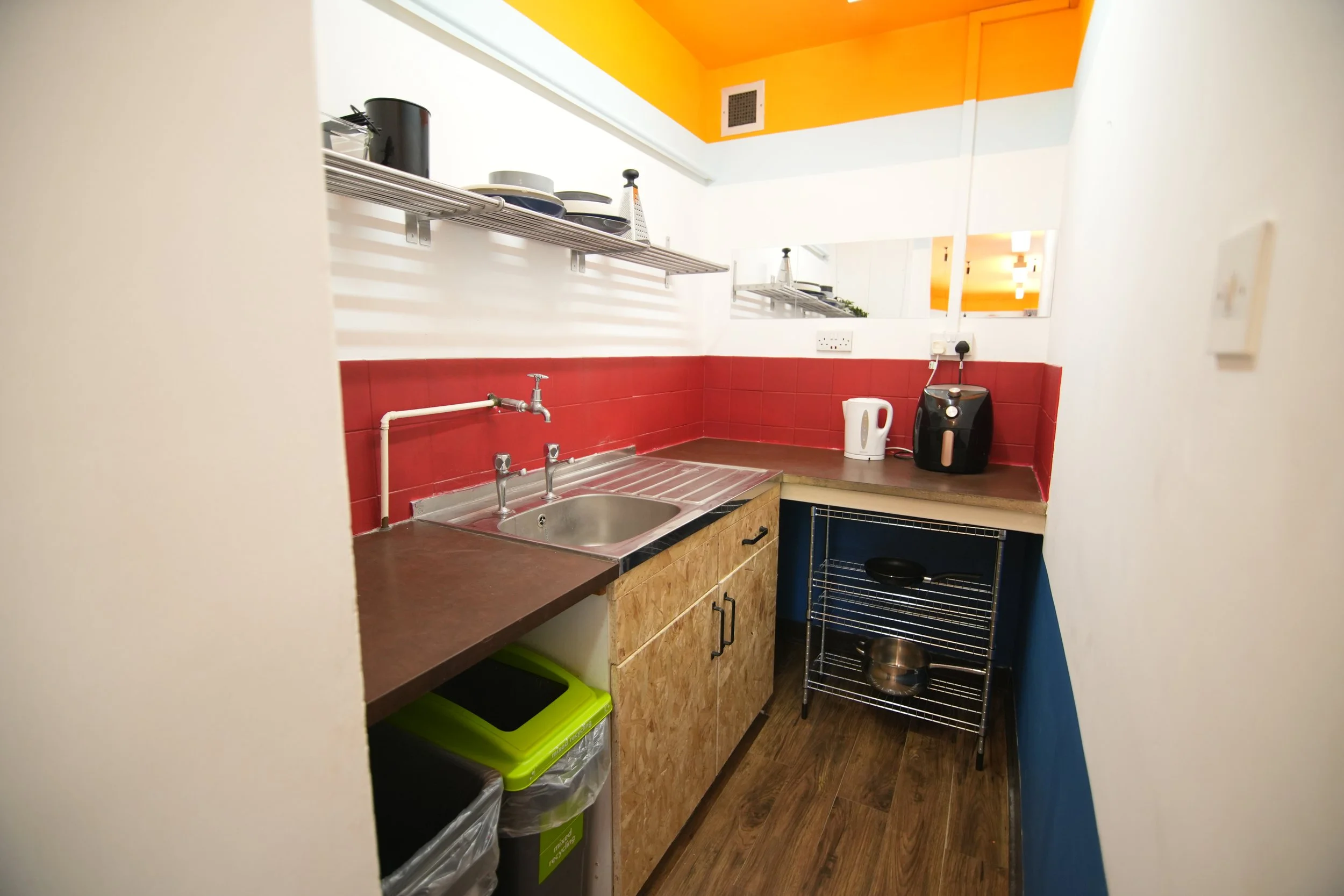
The original kitchen prep area received mostly a decorative update with new functional storage pieces. Difficult to encourage greater social interaction beyond 2 people, the kitchen is extended out into the main mess deck area, however, mirrors on the back wall allow the main space to be reflected ensuring those within this space can still feel connected.
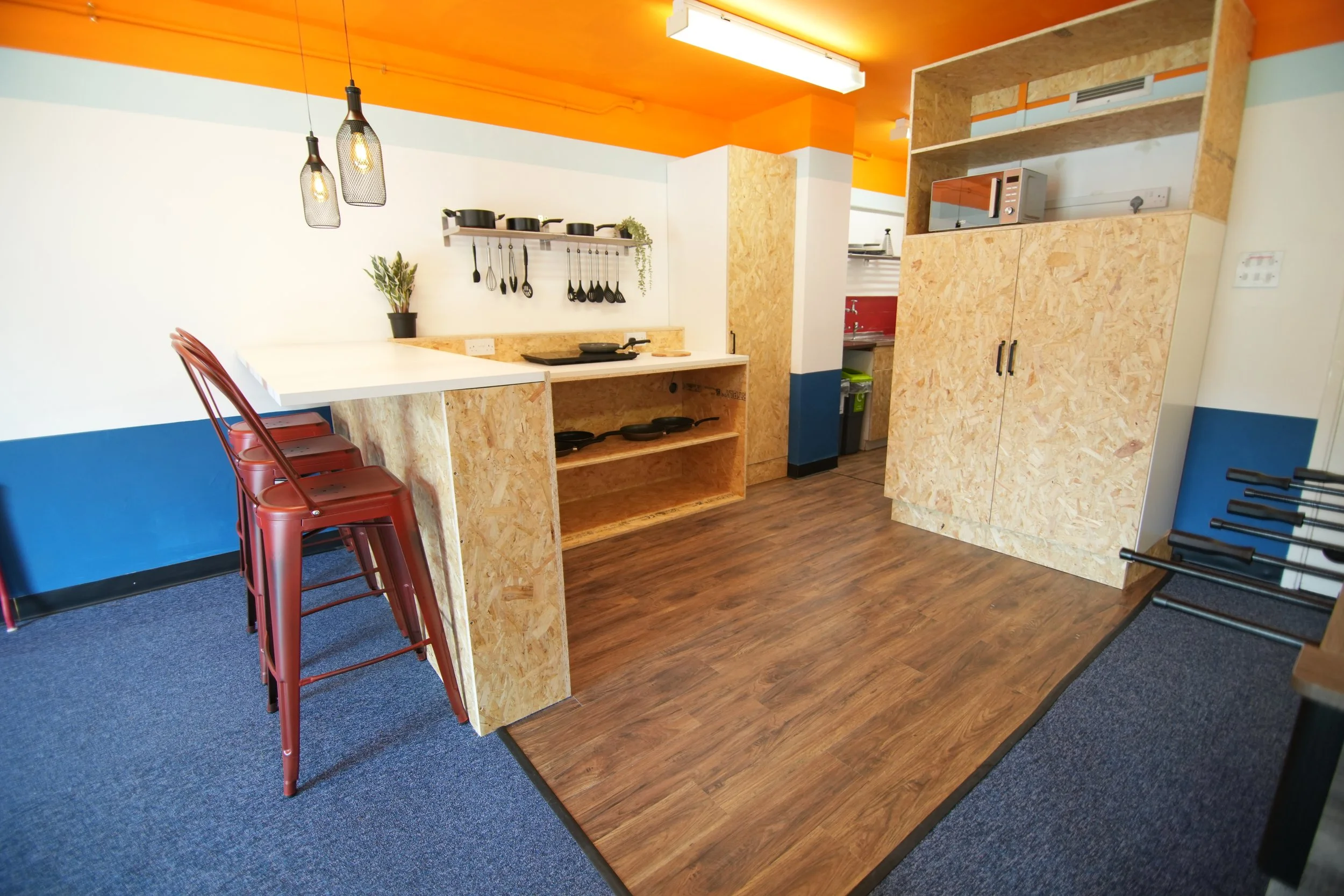
The extension of the kitchen played on the notion of the "kitchen being the heart of the home". Its positioning was central to the space and close to the primary entry points of the mess decks making this an unavoidable area. Whether somebody is in there cooking at the hot plate, or studying at the bar, or playing at the football table, the space invites others in.
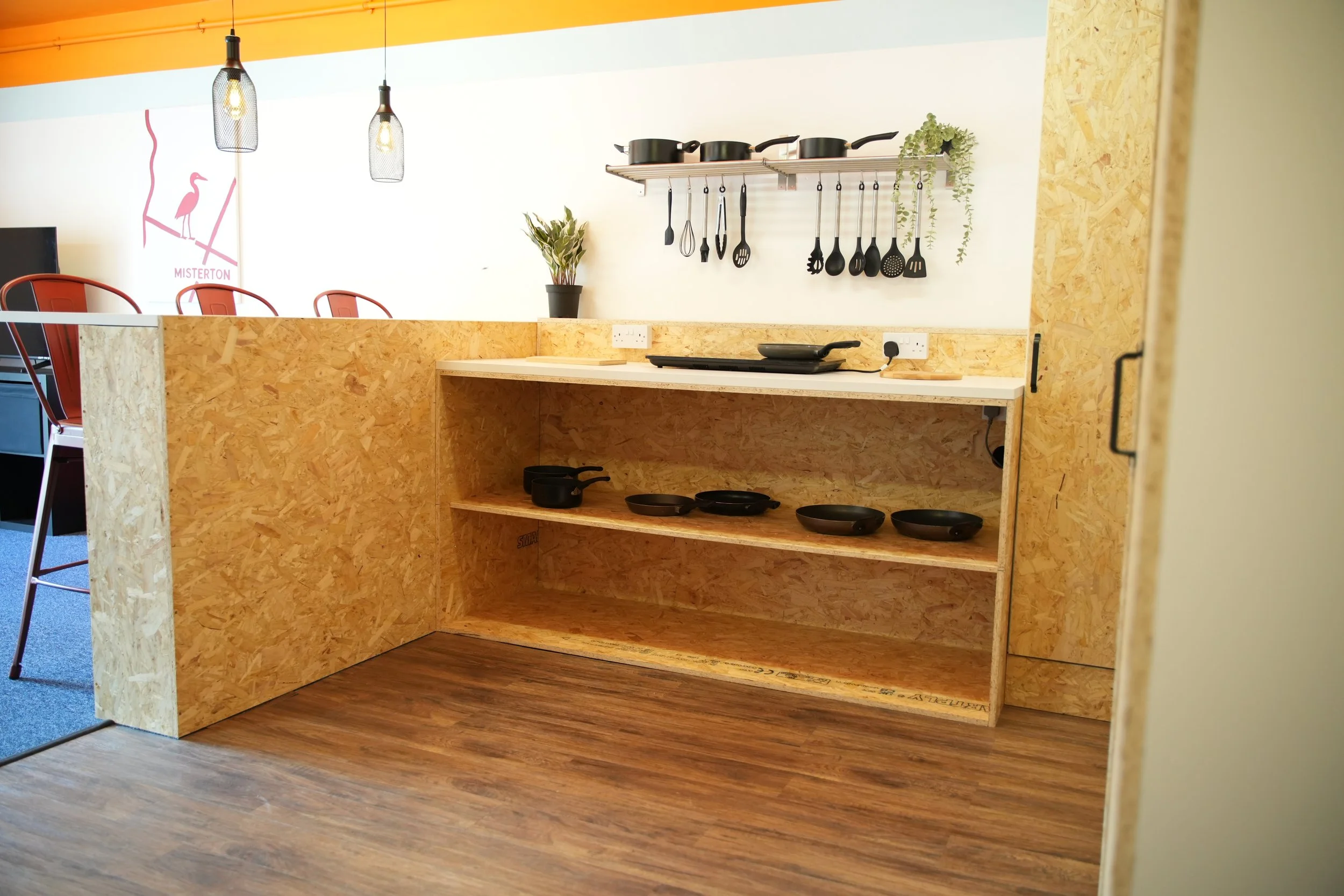
Ample storage to support 24 recruits in one space, was also an important element of the brief. Beyond space for cookware, recruits also needed space to store their own food and appliances. The open shelving provided in the cooking area and above the smaller fridges beside the door sought to give that space to the recruits.
The intention was to create different levels of participation within the same room; Some spaces for active socialising, others for quieter, more relaxed interaction.
Visually, the design deliberately moved away from the neutral and institutional quality of the original space. The palette combines warm oranges, muted blues, red accents, and exposed OSB surfaces to introduce more energy, personality, and contrast throughout the room. OSB was used intentionally throughout the joinery interventions and kitchen additions, both for durability and to introduce a more informal, workshop-inspired quality to the space.
While the project introduces stronger colour and more playful moments, the core of the design remains rooted in function.
Storage was carefully reconsidered throughout:
Integrated refrigeration
Shelving for cookware and appliances
Dedicated prep areas
Additional power access
Improved organisation around everyday use
These interventions were designed to support the practical realities of communal living while making the space feel more personal and welcoming.
The result is a mess deck designed not simply as a shared room, but as a social environment.
A space that encourages recruits to gather, cook, relax, and spend time together - helping to create moments of connection within an otherwise highly structured setting.
Because sometimes the role of design isn’t just to improve how a space functions.
It’s to shape how people live together within it.