
The Passage
Designing For Participation
Project Timeline: 1 week designing and sourcing, 2 day build
Interior Design Masters Challenge 3: View Episode
Completed
There’s a different weight to designing a space like this. Not because of the constraints but because of who the space is for.
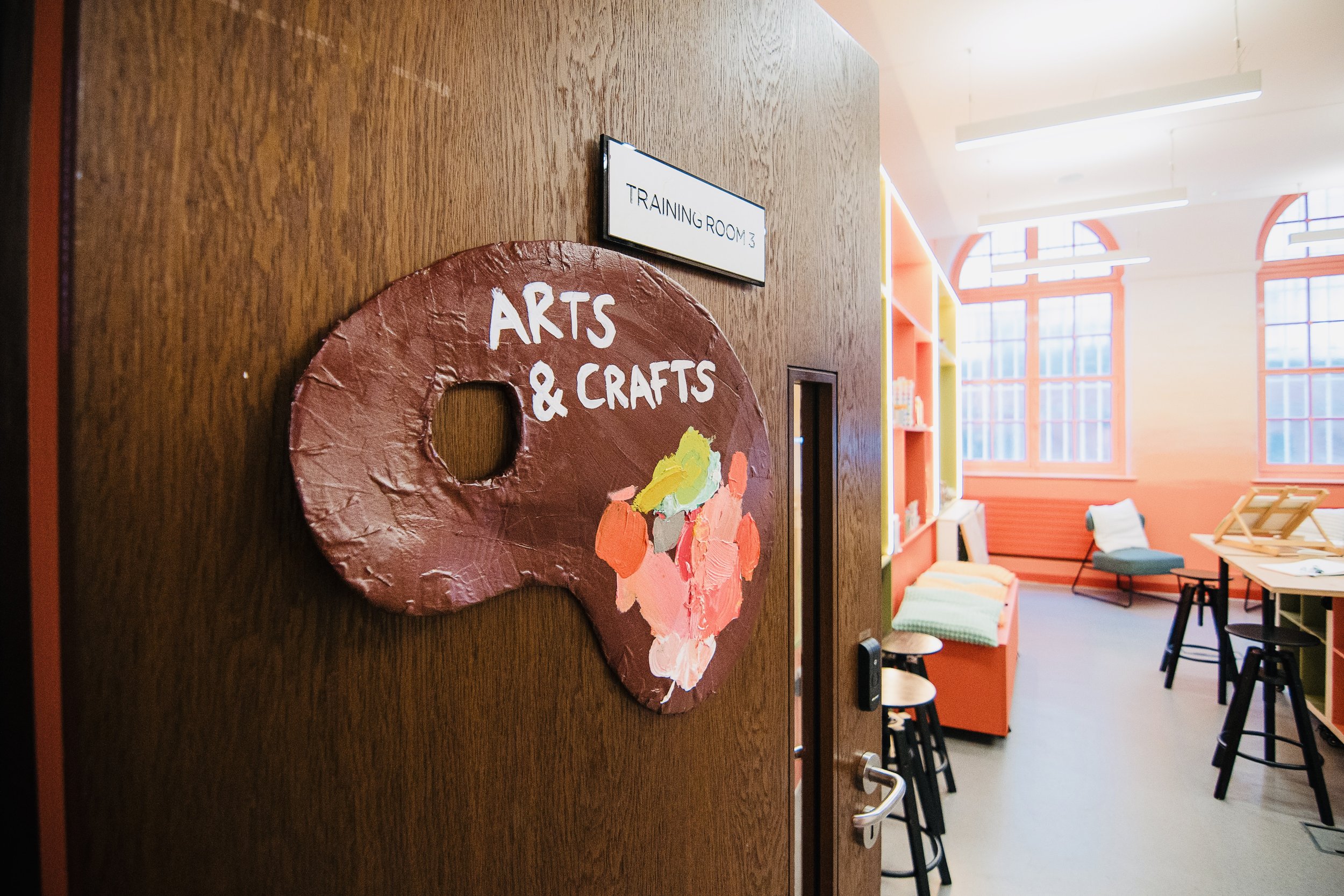
The Arts & Crafts Room at The Passage is used daily by individuals navigating homelessness, many of whom carry experiences of trauma, instability, and uncertainty. It’s a space for creative activity, conversation, and quiet engagement, but also one that needs to hold very different emotional states at any given moment.
So the question became:
How can a space support people at different stages of readiness - to engage, to participate, or simply to be?
Working in collaboration with Emmely Elgersma, the design was intentionally split across two complementary lenses, but ones that are deeply interconnected.
Emmely led on Colour & Atmosphere - shaping how the space feels on arrival, creating a sense of calm and emotional ease
While I focussed on Layout & Functionality - shaping how the space is used, adapts, and supports different modes of engagement
Rather than operating independently, these decisions were developed in dialogue. The spatial strategy relies on a softened, welcoming atmosphere to feel accessible, while the colour palette gains meaning through how the space is inhabited and moved through.
Together, the aim was to create an environment that feels both supportive and adaptable.
“It’s really joyous!”
“(The room) show’s Ajeet’s technical prowess and bravado”
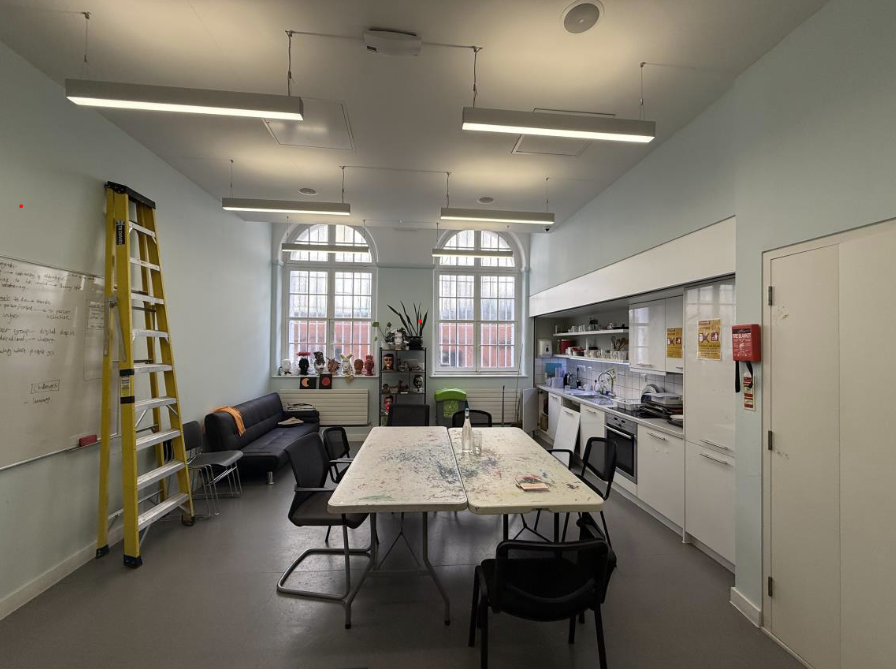
The Arts & Crafts Room before our design
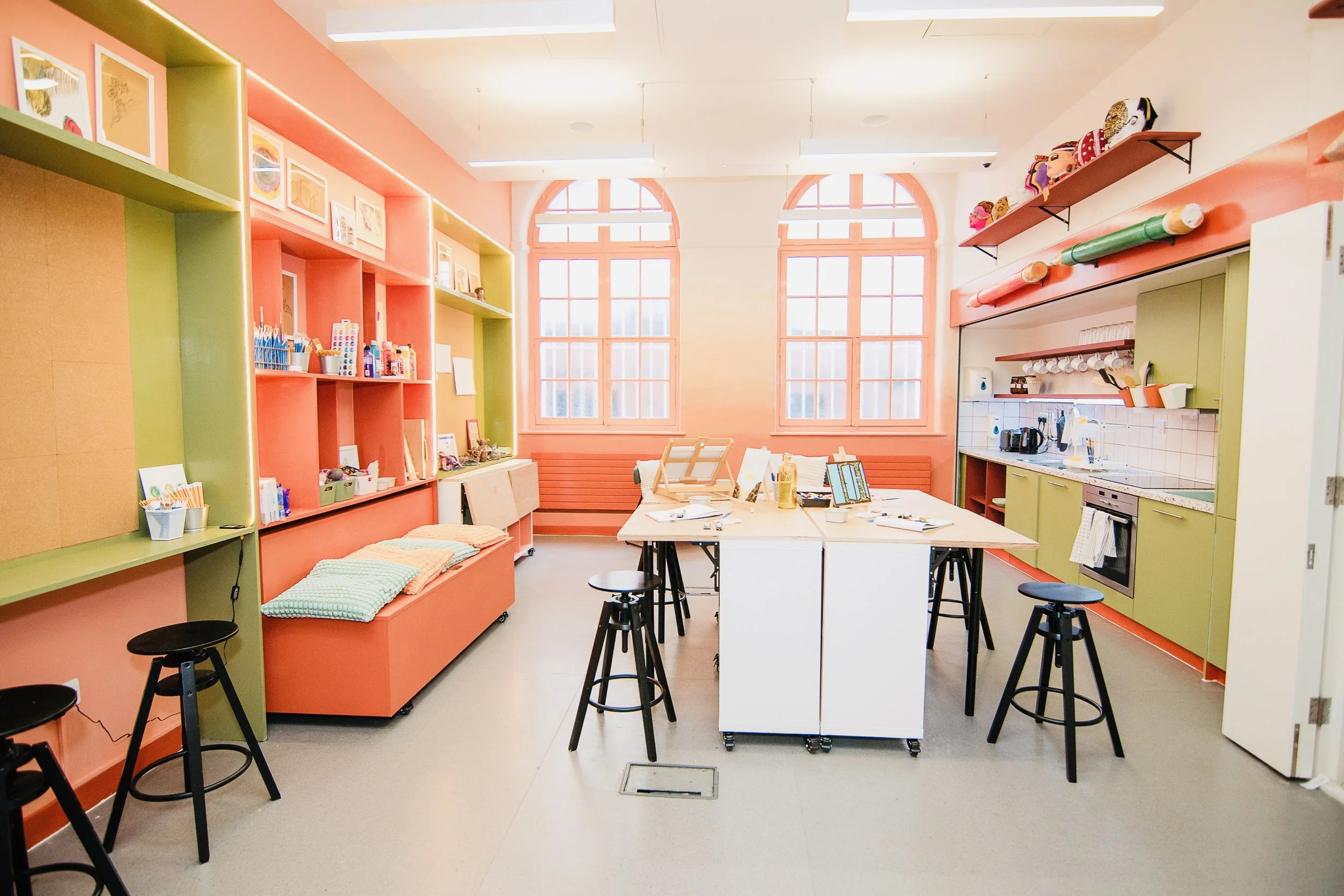
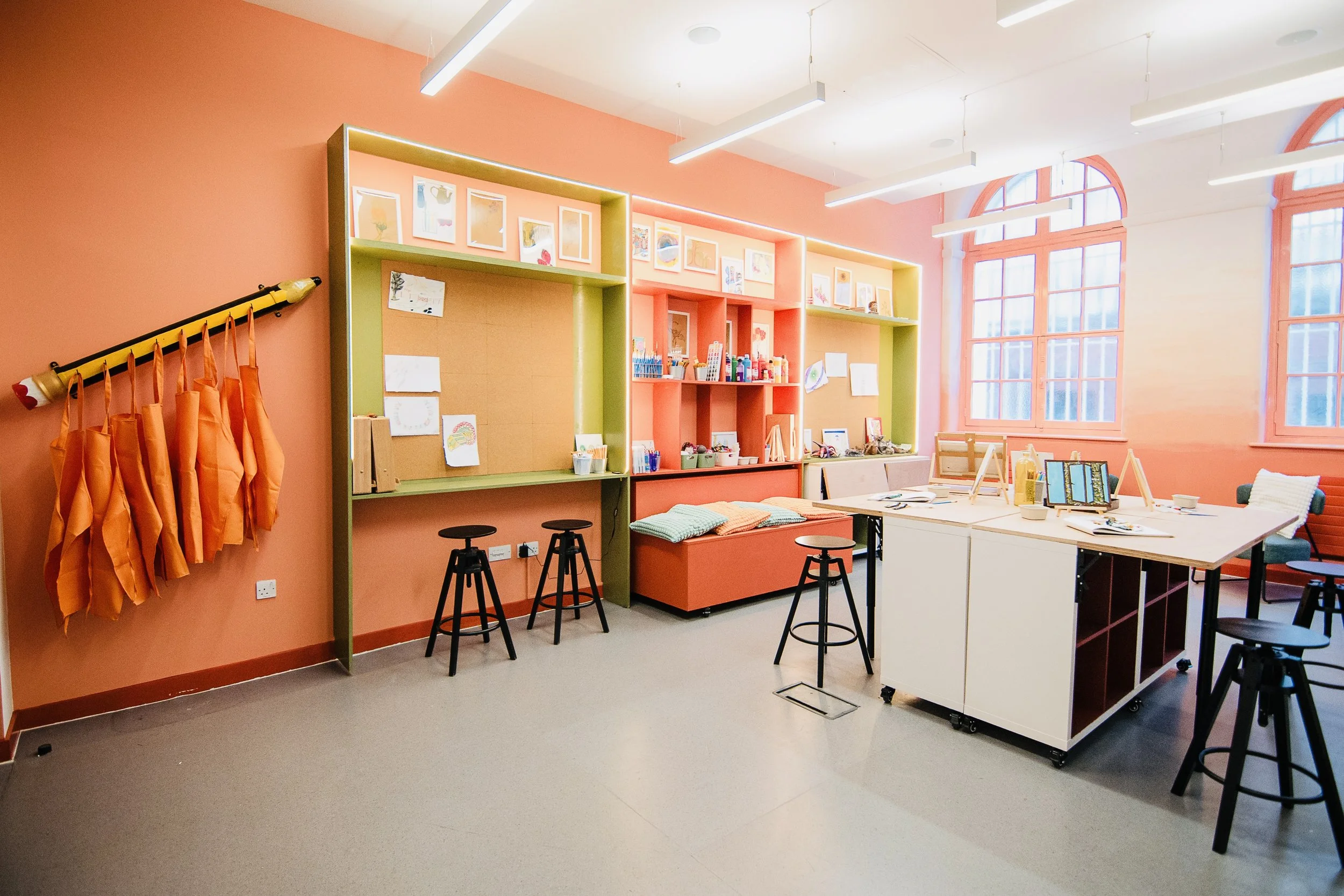
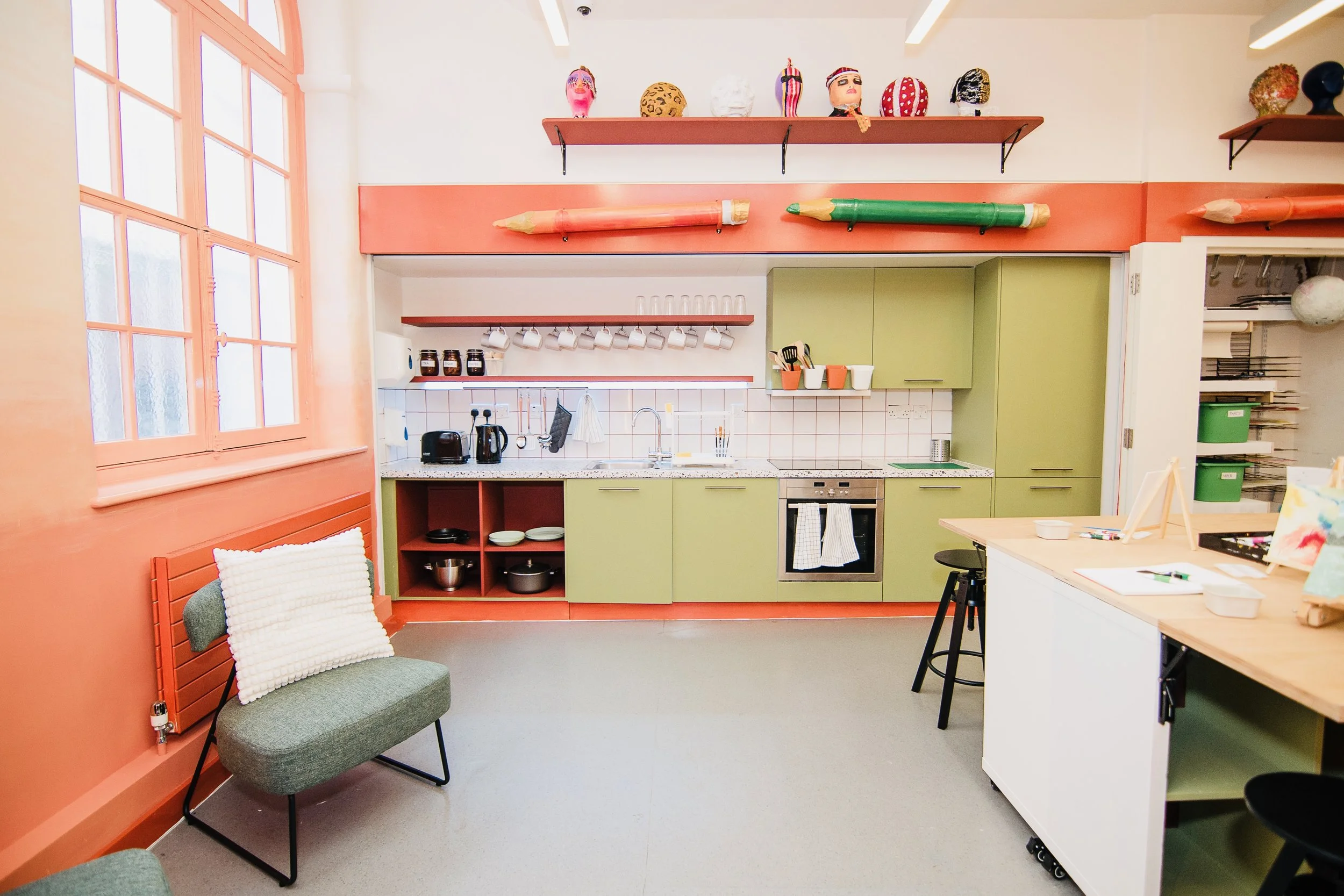
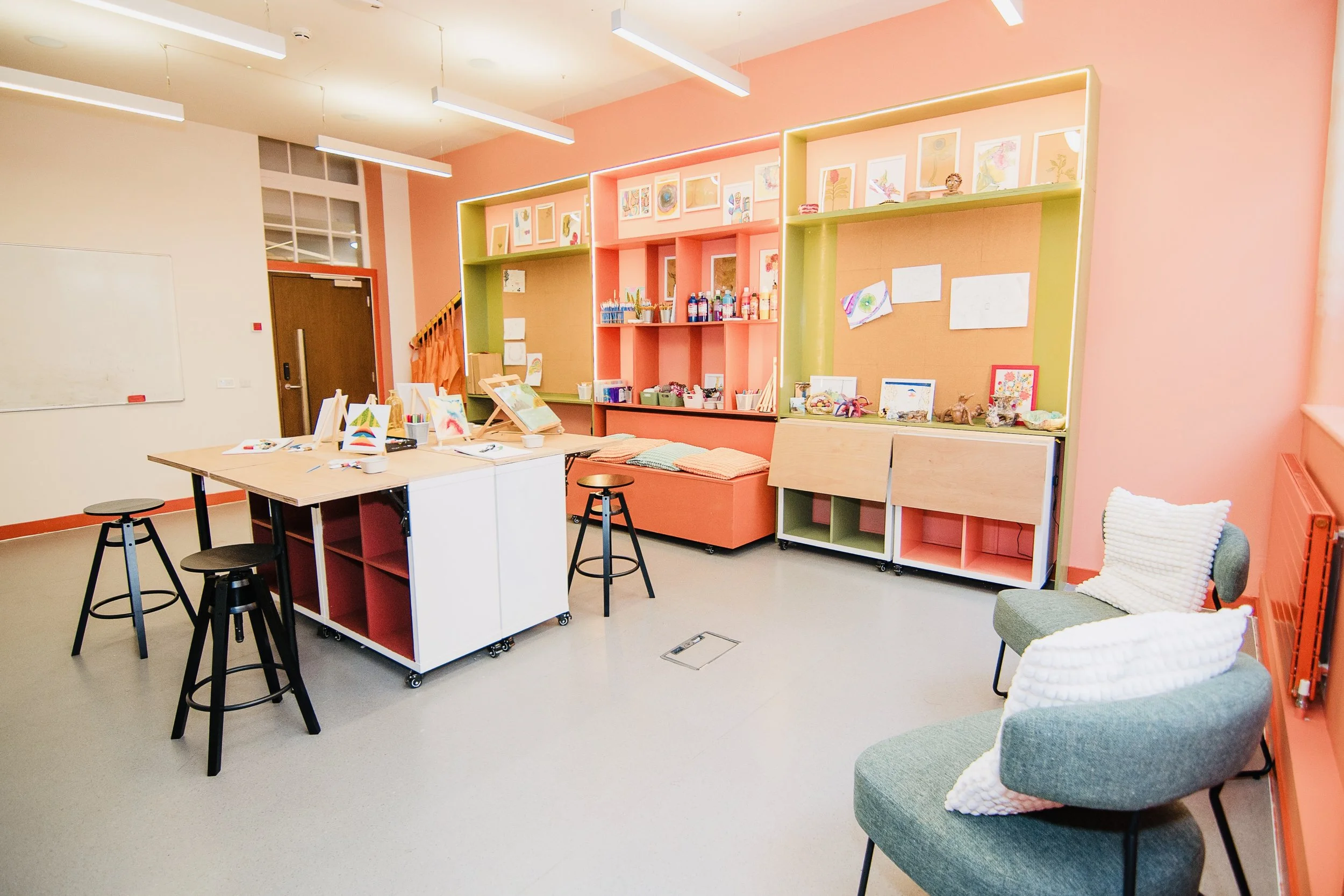
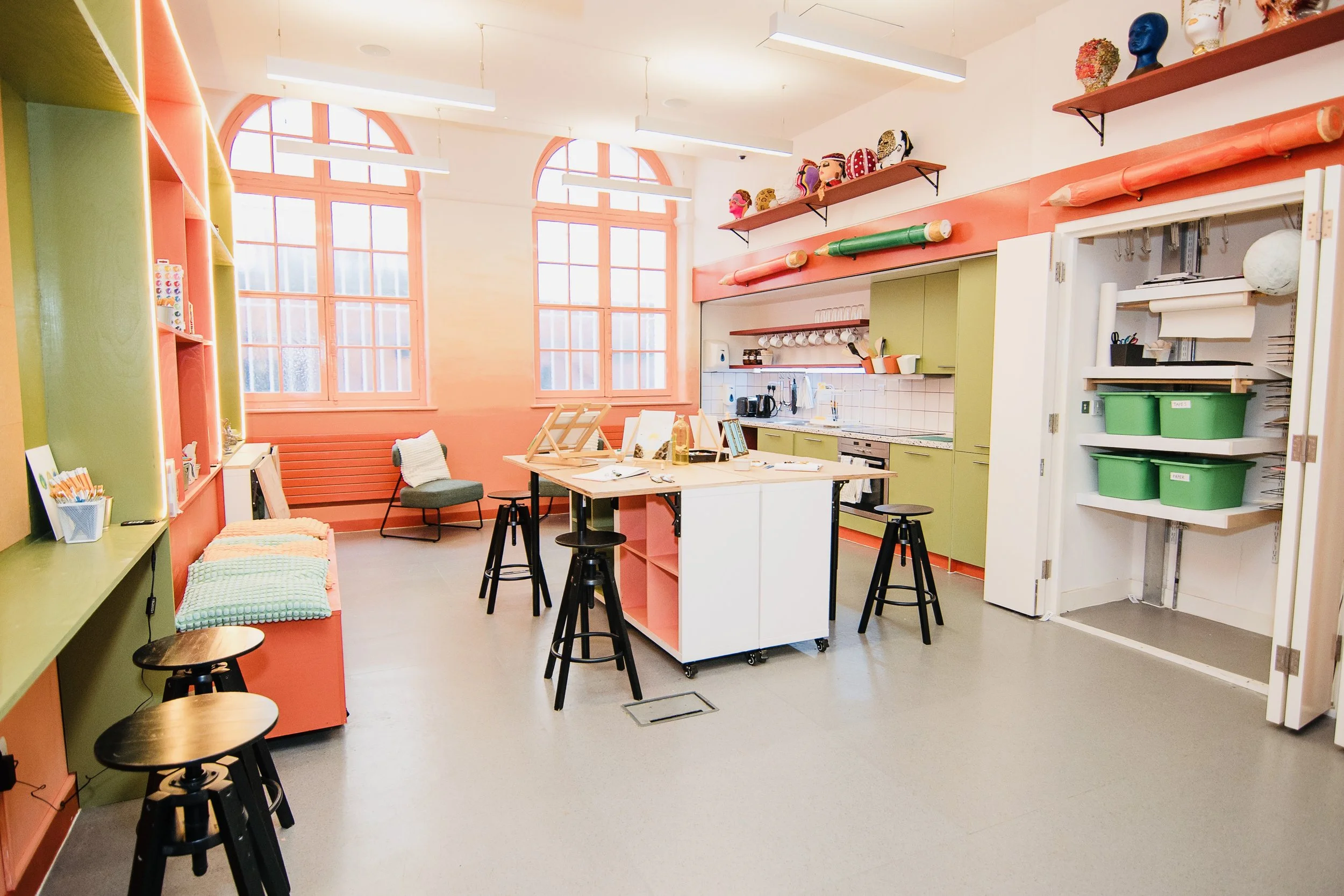
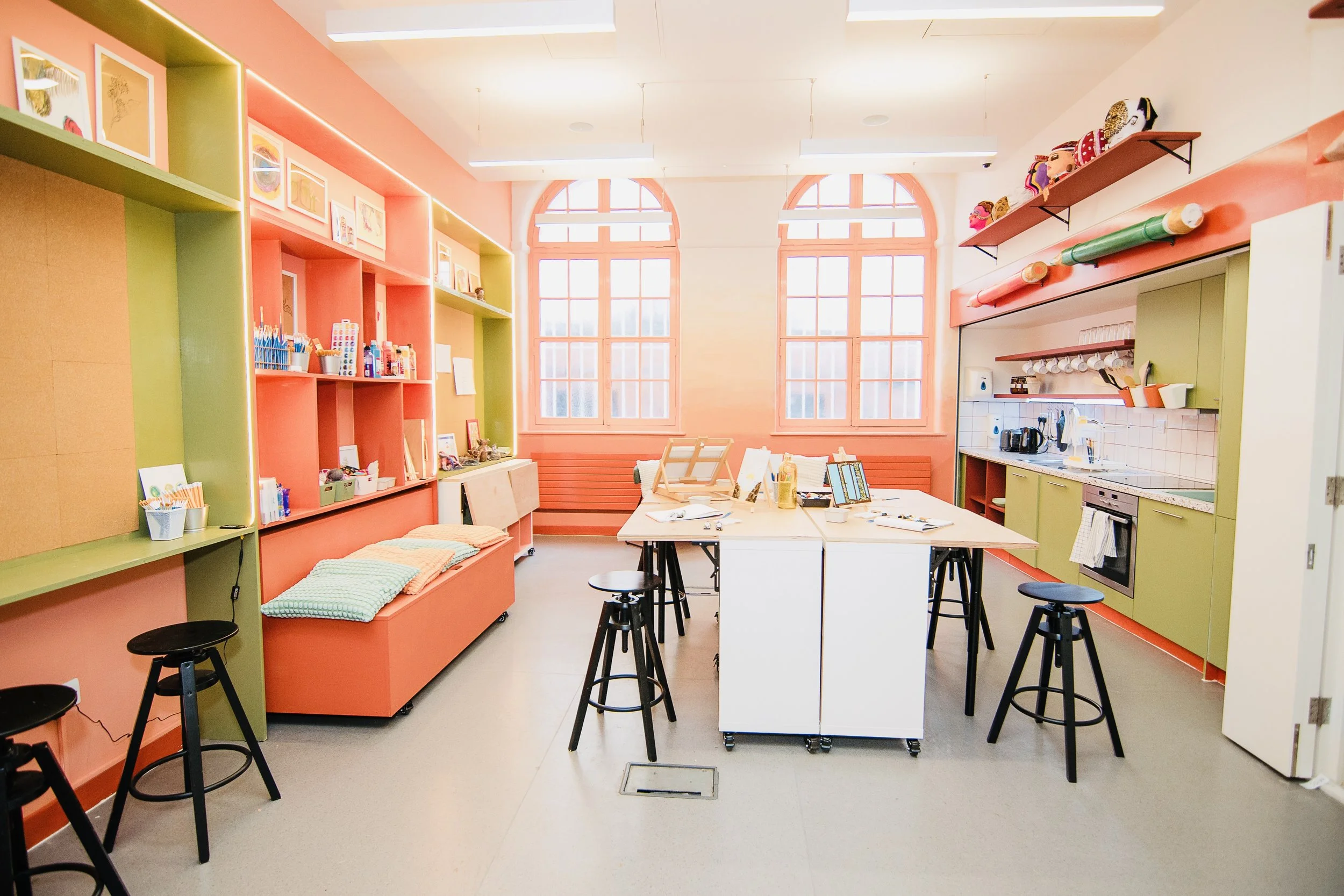
The Arts & Crafts Room after our design
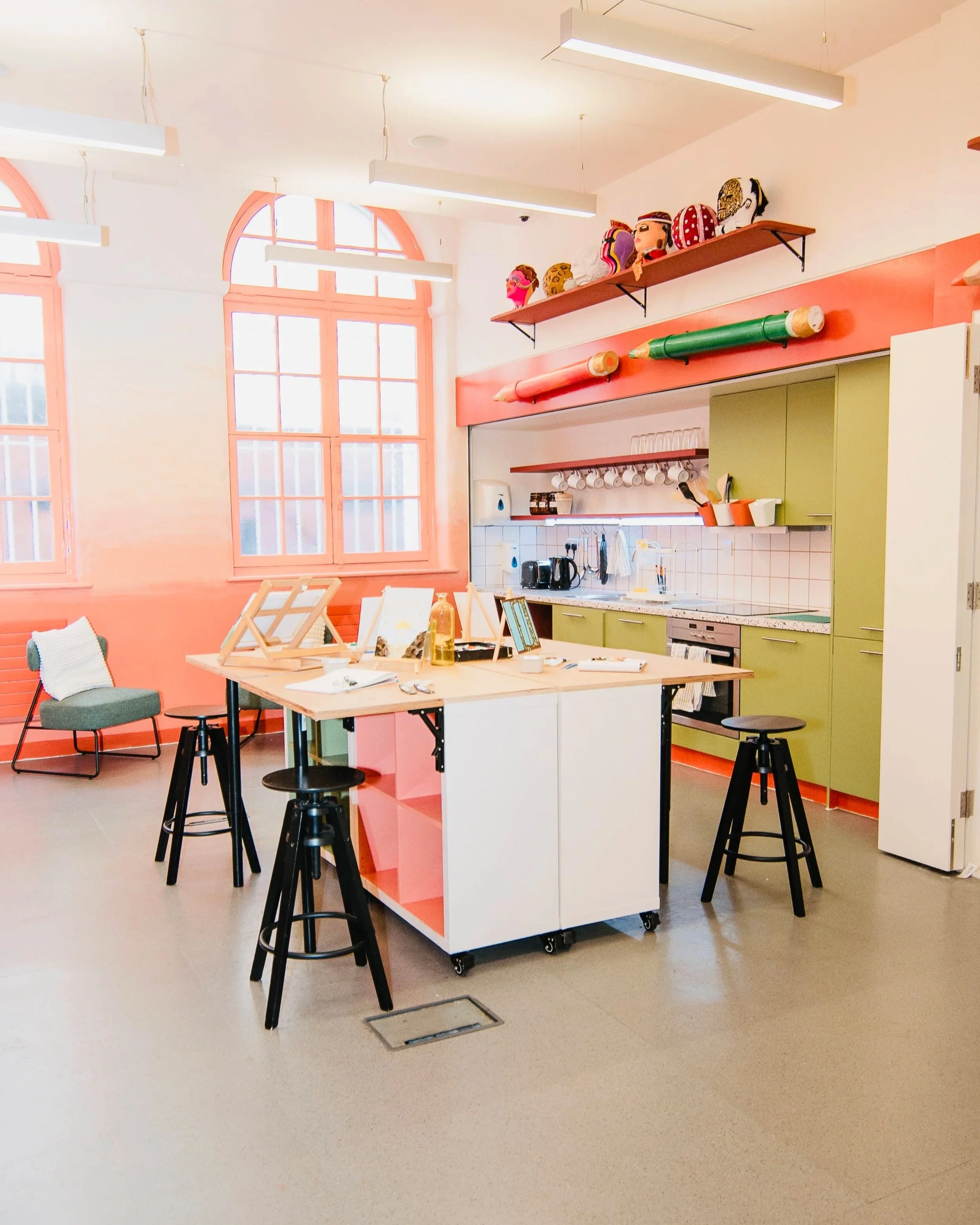
One of the key insights - both from the brief and from my own experience working within the homelessness sector - is that choice is fundamental to dignity.
Not everyone entering the space will feel ready to engage in the same way.
Some may want to join a group.
Others may prefer to observe.
Some may need to work alone before feeling comfortable contributing.
The design responds to that.
What became clear early on is that flexibility on its own isn’t enough. For a space to feel truly usable, it also needs to feel emotionally approachable. The warmth and softness introduced through the colour palette plays a critical role here; helping to reduce the sense of exposure that can sometimes come with open, multi-use environments.
This creates the conditions for the spatial design to work as intended.
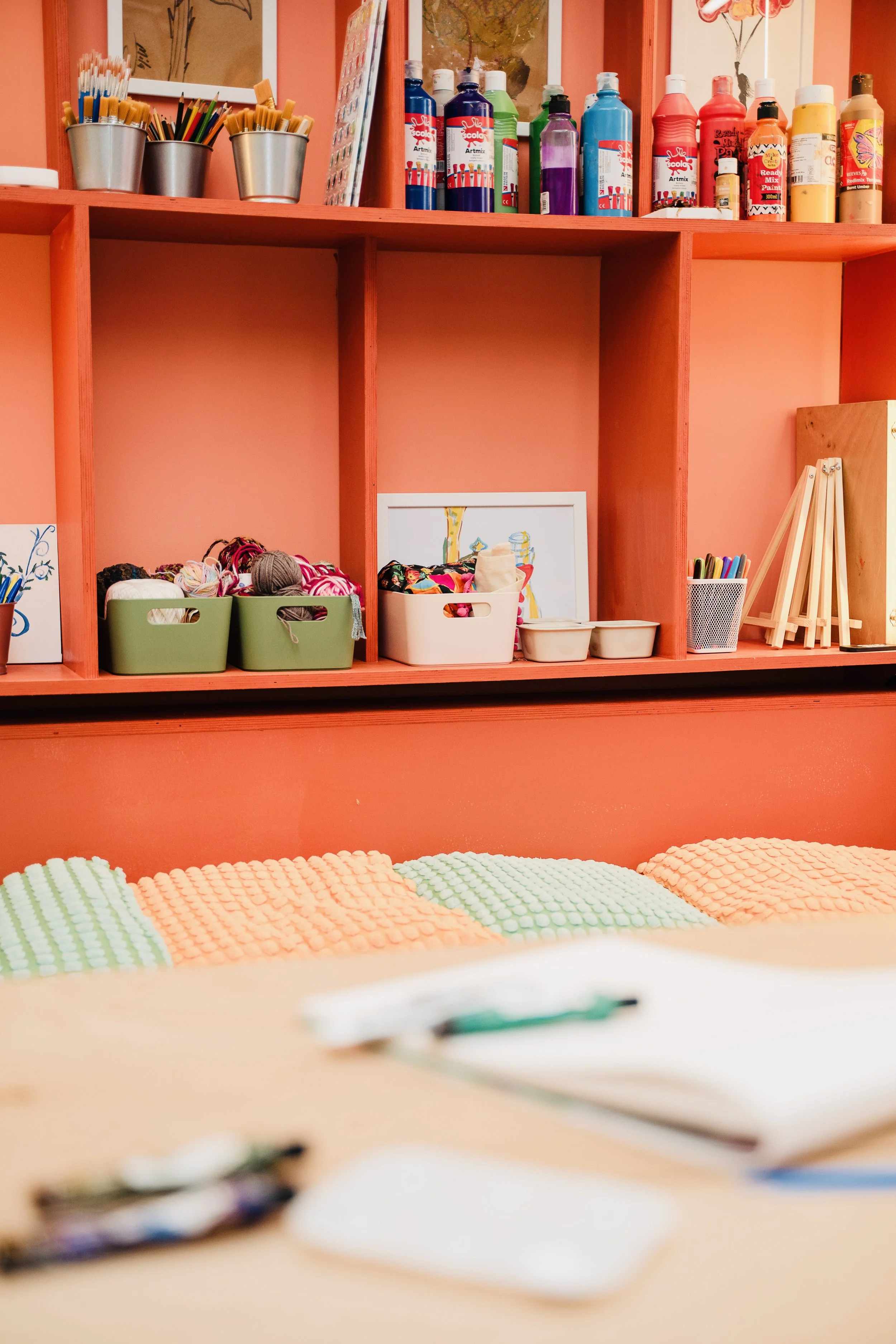
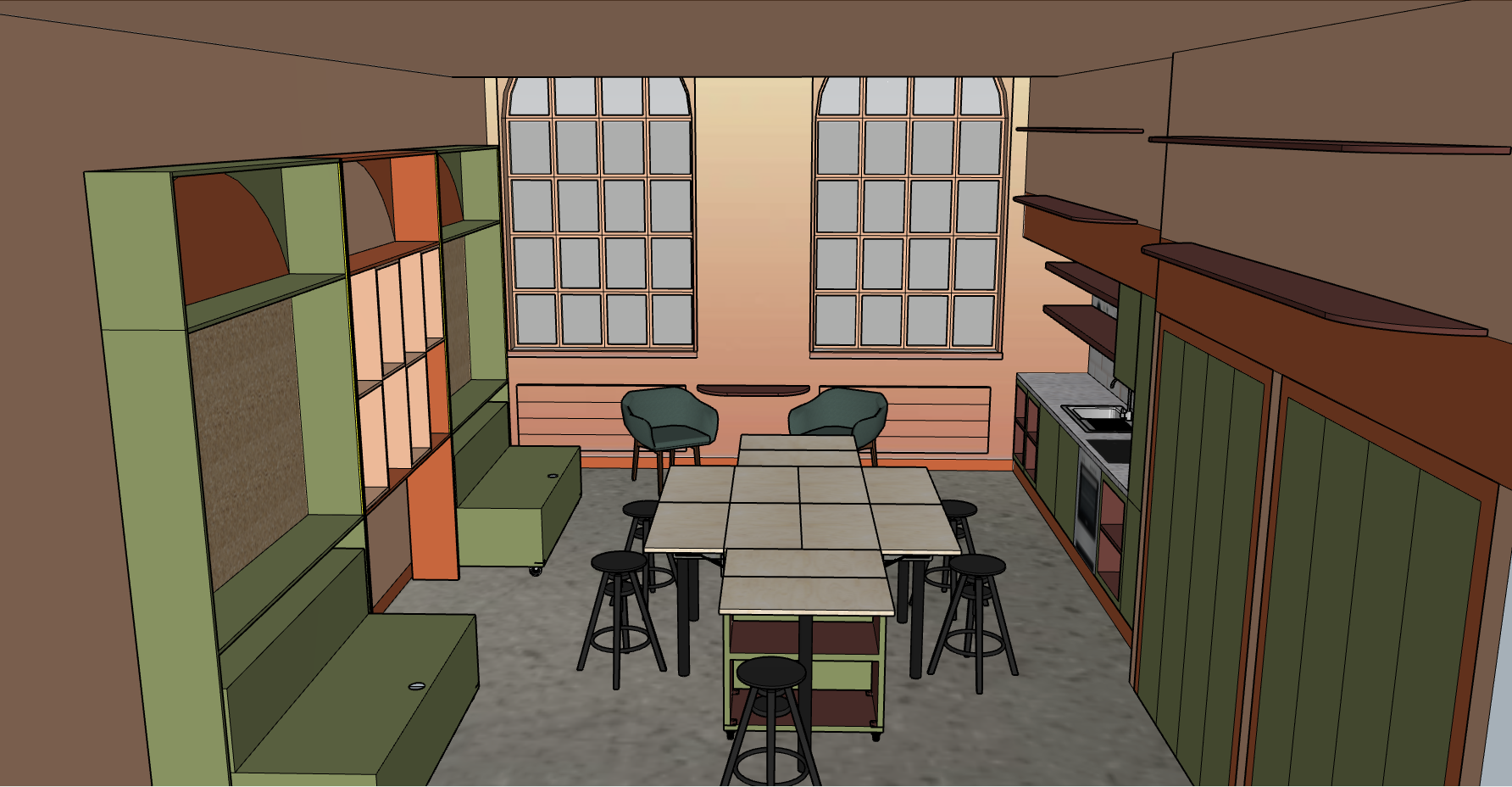
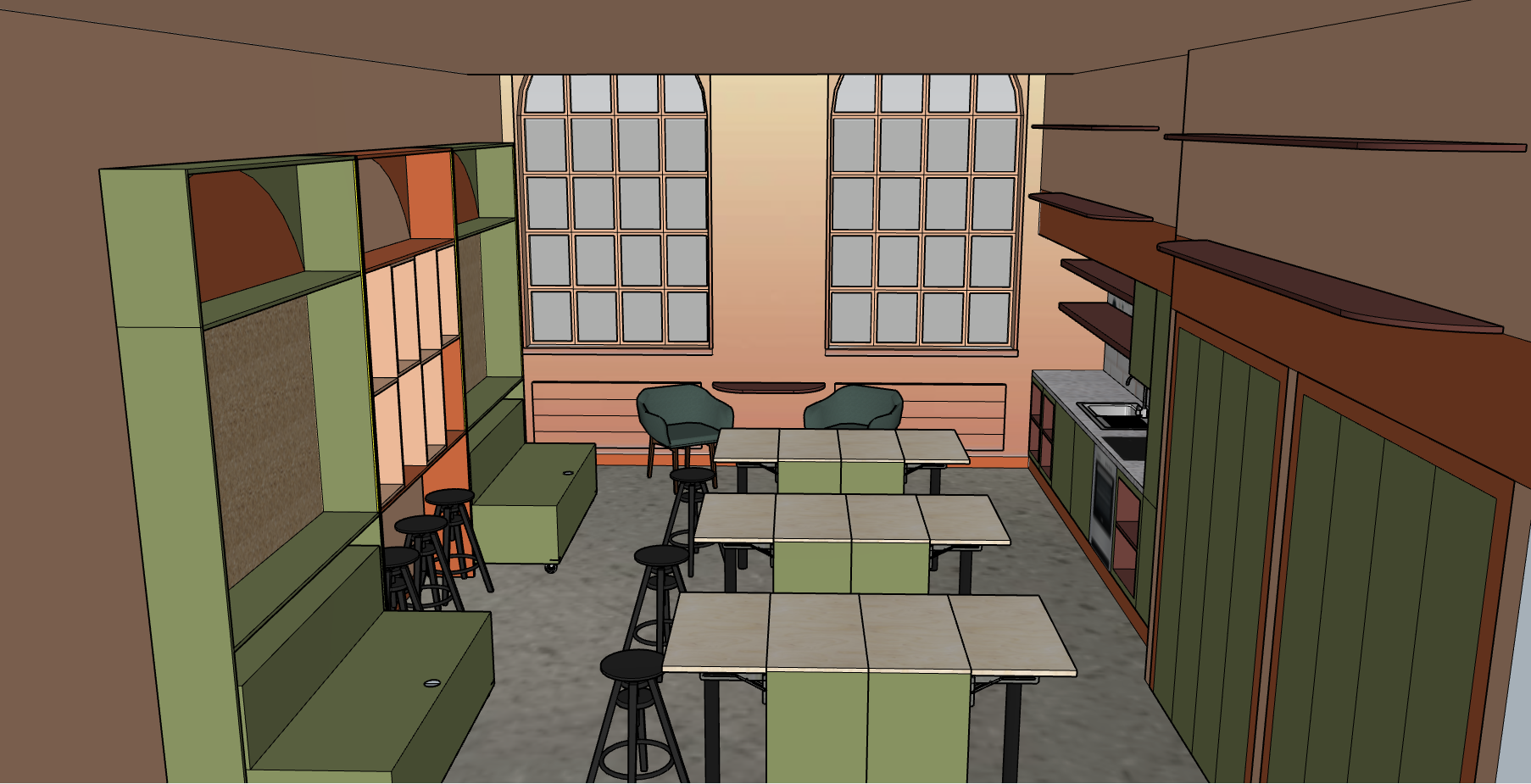
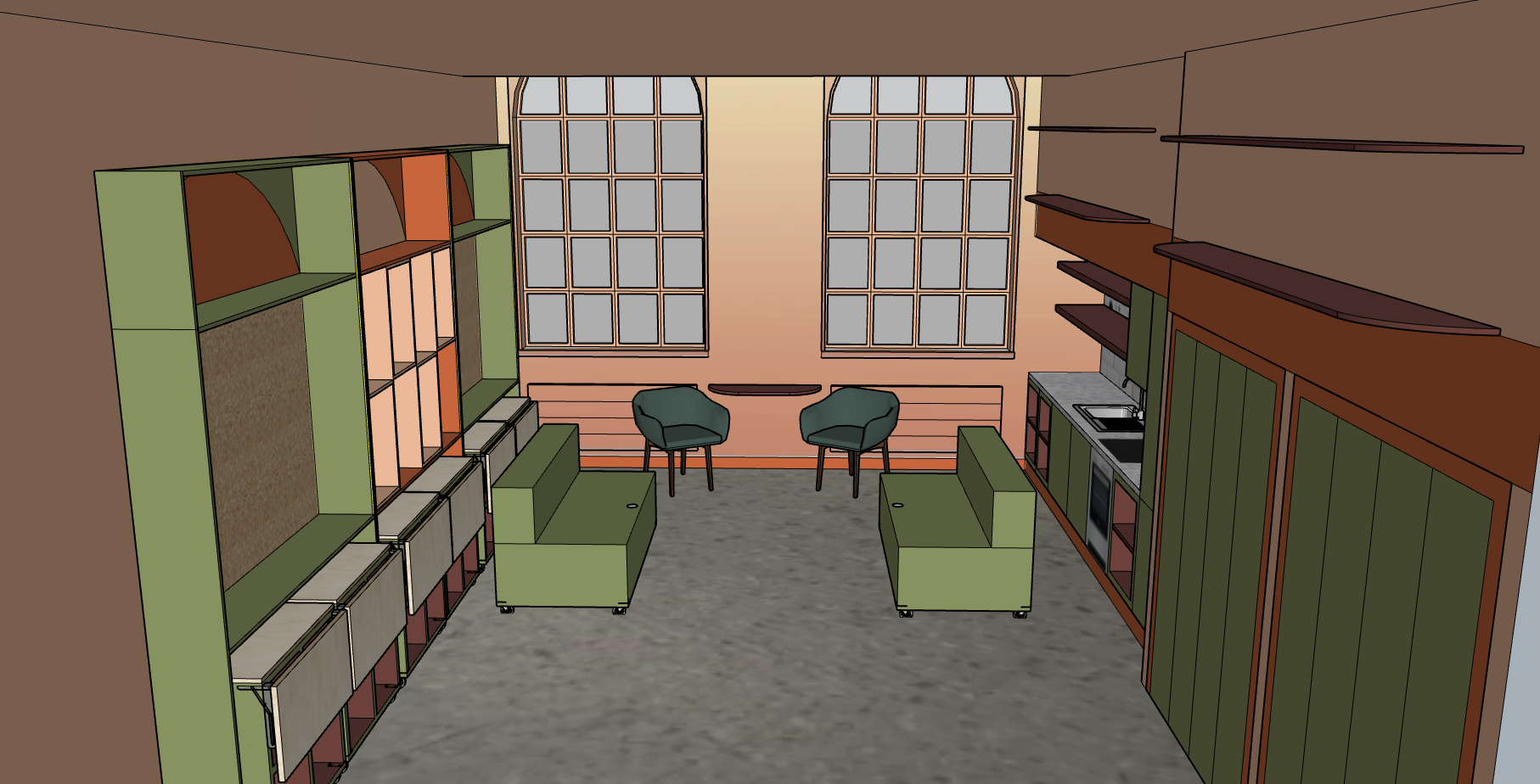
Rather than centring the room around a single large table, the layout introduces a more flexible system; one that works in tandem with a softer, more welcoming visual language.
The intention was not just to create adaptability, but to ensure that flexibility feels inviting rather than overwhelming, by providing:
Individual workstations that can be used independently
Modular units that can be combined to form a larger communal table
Moveable seating and furniture that can be reconfigured depending on the activity
In addition to the modular furniture, the larger display cabinets were designed to serve a dual purpose - providing space for artwork and materials to be showcased, while also accommodating the storage of modular units when not in use. This required careful calibration of dimensions, ensuring each element could slot into place without compromising the usability of the space.
This creates a quieter kind of flexibility, one that allows participation without pressure. At its most open, the room supports shared workshops and group sessions. At its most contained, it offers moments of privacy and independence.
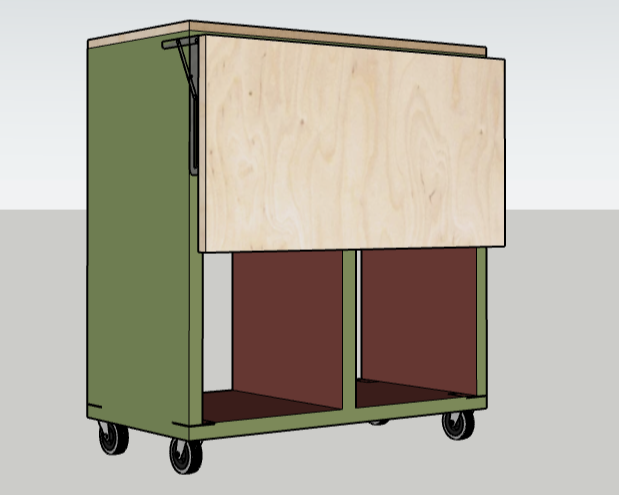
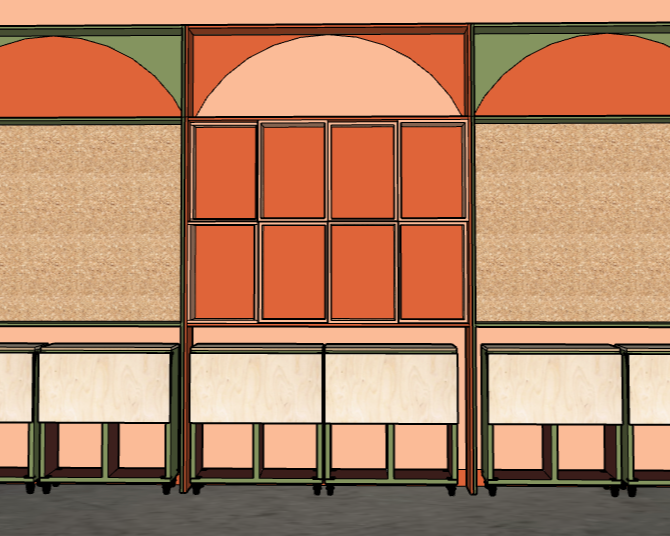
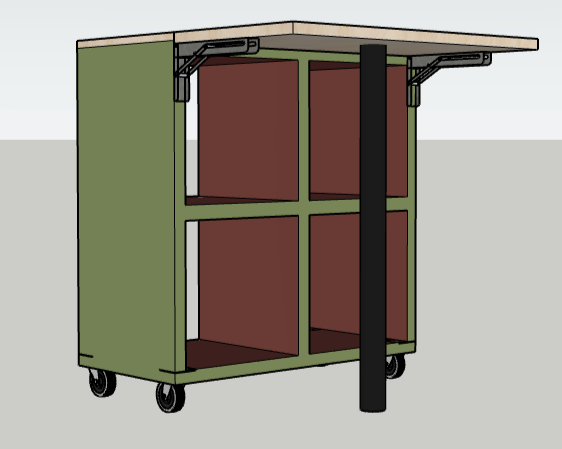
The defining element of the scheme is the introduction of six individual workstations, developed from upcycled IKEA KALLAX units with drop-leaf surfaces.
These function in two ways:
1) as self-contained stations for individual work, and
2) as combined units forming a larger collaborative table.
This duality allows the room to adapt in real time; not just to different activities, but to different emotional needs. Set against a warmer, more calming backdrop, these elements feel less functional in isolation and more like part of a cohesive, supportive environment.
While the spatial strategy introduces flexibility, it’s the atmospheric layer that makes that flexibility feel usable.
The colour palette was developed to feel warm, calm, and gently uplifting; helping to soften the room’s previous sense of rigidity and institutional feel.
This shift is subtle but important. It allows the space to feel less like a place of obligation, and more like one of possibility, where individuals can choose how they engage, at their own pace.
In this way, colour and layout are not separate decisions, but part of the same intention; to create a space that supports both activity and ease.
This project is one where my professional and personal experiences intersect. As a trustee of a homelessness charity, I’ve seen firsthand how environments can either support or inhibit engagement. Spaces like this are not neutral - they shape how people feel, how they interact, and whether they choose to participate at all.
So the design moves here are intentionally measured. Not performative. Not overly expressive. But considered in a way that supports the people who will use the space every day.
That sensitivity extends beyond layout decisions, and into how the space is experienced visually to ensure that both atmosphere and function work together to support those using it.
The result is a space that balances flexibility with sensitivity.
A room that can host activity, conversation, and creativity - but also allows for moments of pause. Because in environments like this, design isn’t just about how something looks.
It’s about what it allows people to do and how it allows them to feel.